When I study the investment case for artificial intelligence, I try not to stop at the companies making the most visible AI products. The less obvious question is where the capital spending goes, who supplies that capacity, and who earns a sustainable return.
Follow the infrastructure spending
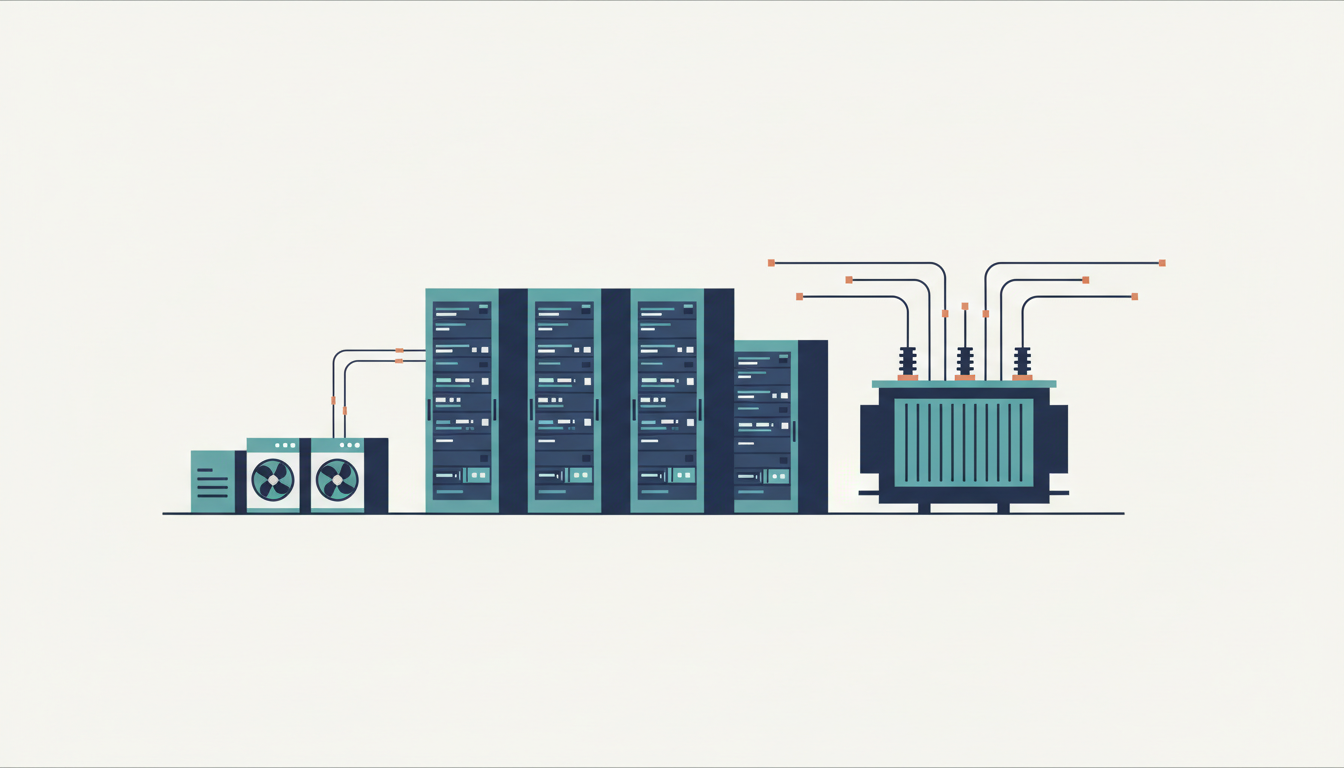
Large technology companies need more than processors. Data centers depend on electrical equipment, power availability, cooling, networking, construction, and specialized services. Each link can benefit from demand, but each also faces constraints, competition, and changing margins.
In its October 2026 earnings commentary, Alphabet discussed substantial technical-infrastructure investment and the effects of depreciation and operating costs. That illustrates why growing revenue and spending more capital can happen at the same time.
Revenue growth is only half the picture
I find it useful to separate three questions: How much additional demand exists? Which companies can deliver the equipment or services? And will that demand translate into attractive cash generation after reinvestment and financing needs?
For suppliers, I would examine order backlog, customer concentration, working capital, and the ability to execute projects on time. For hyperscalers, I would follow capital expenditure, depreciation, operating cash flow, and the expected economic life of new infrastructure.
Where my research goes next
The most useful analysis is usually company-specific. I would rather compare several businesses along the infrastructure chain than assume every stock exposed to AI deserves the same valuation premium. An attractive industry trend does not automatically make every company an attractive investment.
Primary financial sources matter here. Alphabet’s September 2026 quarterly filing and Microsoft’s fiscal 2027 first-quarter materials provide starting points for tracing spending, financial performance, and management commentary.
